
Profile 1: The Analog Operator - No System ExistsThey know something is wrong. They just haven’t named it yet. |
 73% of companies in this profile are first-install buyers, meaning they have never owned a WMS or scanning system. The remaining 27% had a system that failed and reverted back to traditional processes.
At the time of evaluation, every company in this profile reported no active system in place. The warehouse ran on paper, spreadsheets, memory, and physical verification. Each had an active ERP, but nothing connecting it to what was happening on the floor.
The Analog Operator exhibits the lowest average pain points and prior technology rate of any persona (Table 6). This does not mean the operation is healthy. It means the problems have not yet compounded. Without a failed system adding complexity on top of the baseline gap, there is only one layer of pain to report.
| Metric | Value |
|---|---|
|
Average Pain Points |
2.7 (Lowest) |
|
Process Friction is Primary Pain Dimension |
70% |
|
Manual Processes |
88% |
|
No Scanning |
67% |
|
Real-time Visibility |
64% |
|
Disconnected Systems |
61% |
|
Paper-Based Processes |
42% |
|
Cycle Counting Pain |
42% |
Table 6. Analog Operator Pain Dimension Distribution
The defining signal across all companies in this profile is absence. Among the 73% of companies that had never had a system in place, 67% explicitly reported no scanning, 64% had no real-time visibility, and 61% had no connection between warehouse floor activity and their system of record. Without these attributes in place, the infrastructure simply does not exist.
Top Reported Priorities
94% of companies in the Analog Operator profile know they need scanners (Table 7). The question they are trying to answer is what sits between the scanner and the ERP. Their second most important priority is receiving, which is typically where the absence of a system is felt first. If there is no efficient way to record what came in, where it went, or whether it matches what was ordered, the inefficiencies cascade throughout the workflows that follow.
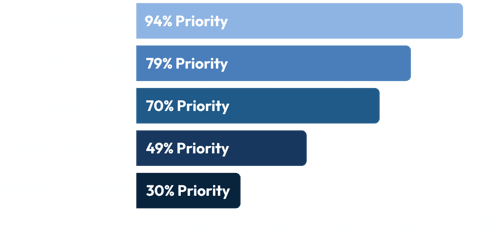
Table 7. Distribution of Sample Priority
Complexity Distribution
73% of companies in the Analog Operator profile operate at an L2 warehouse complexity or above (Table 8). This means that they are managing multiple locations, channels, or lot and serial tracking requirements without a scanning system, real-time data, and system-directed work
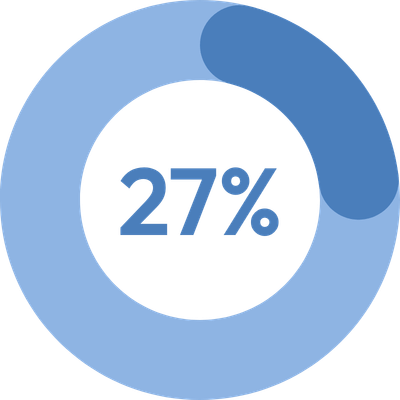 27% L1 Basic |
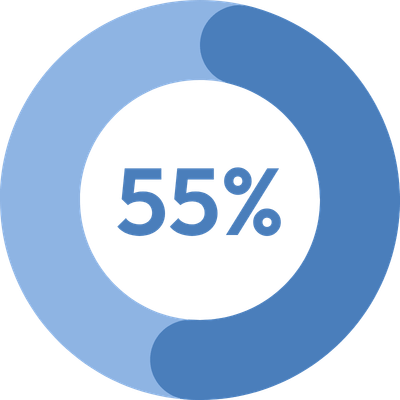 55% L2 Standard |
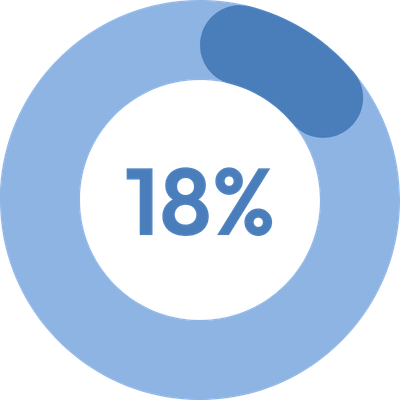 18%
L3 Moderate |
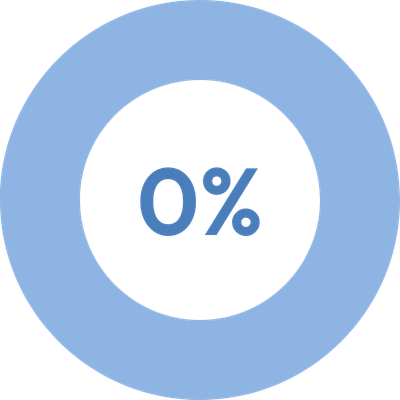 0% L4 Complex |
Table 8. Analog Operator Warehouse Complexity Distribution
Representative Archetype
Taken together, these signals point to a consistent profile: absent infrastructure, process-level pain, and a clear but unanswered need for hardware.
A typical Analog Operator is a building materials distributor with two physical locations and a warehouse team of two to three employees. Paper-based and spreadsheet-driven processes turn routine workflows into multi-day efforts, and the absence of scanning creates a persistent gap between what is happening on the warehouse floor and what the ERP shows.
 The SMB Warehouse Operations Gap
The Five Levels of Warehouse Complexity
Hidden Complexity & Pain Dimensions

The Four Warehouse Operator Profiles Defined by What's Breaking
Profile 1: Analog Operator
Profile 2: Throughput Ceiling
Profile 3: Regulated Operator
Profile 4: Full System Breakdown
Why Warehouse Management Systems Fail
Download the PDF