
Profile 2: The Throughput Ceiling - The System Hit Its LimitThey tried to fix it. The fix became the problem. |
 64% of companies in this profile are replacement buyers, meaning they are not looking for their first solution; they are replacing one that no longer fits their growing operations.
The Throughput Ceiling profile had the highest prior technology adoption rate among all personas. Yet, 88% still reported manual warehouse processes (Table 9). As operations scaled, the system in place failed, pushing warehouse workers back to manual workarounds.
| Metric | Value |
|---|---|
|
Average Pain Points |
3.0 |
|
Process Friction is Primary Pain Dimension |
73% |
|
Manual Processes |
88% |
|
Disconnected Systems |
70% |
|
No Scanning |
61% |
|
Scalability Concerns |
49% |
|
Real-Time Visibility |
42% |
Table 9. Throughput Ceiling Pain Dimension Distribution
Top Reported Priorities
55% of companies in this sample report picking and packing as their top operational priority (Table 10), nearly double the rate seen in the Analog Operator persona. When a system can no longer keep pace with volume, picking and packing are typically where the inefficiencies appear first.
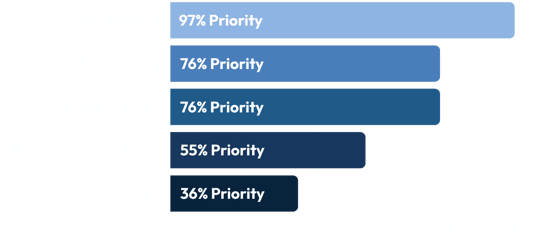
Table 10. Distribution of Sample Priority
Complexity Distribution
42% of Throughput Ceiling companies operate at L3 warehouse complexity or above (Table 11). These warehouses have likely outgrown a system that fit their operation at deployment but can no longer support what it has become.
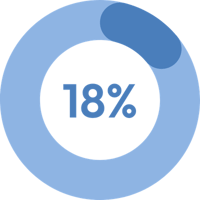 27% L1 Basic |
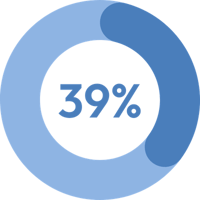 39% L2 Standard |
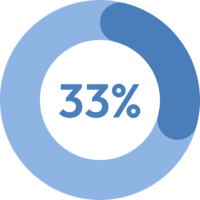 33%
L3 Moderate |
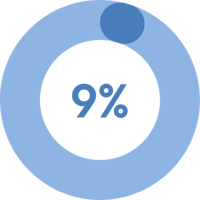 9% L4 Complex |
Table 11. Throughput Ceiling Warehouse Complexity Distribution
Representative Archetype
Across this profile, the pattern is consistent: an outgrown system, manual workarounds, and operational pressures at fulfillment.
A typical Throughput Ceiling company looks like a consumer products e-commerce operation processing 1,200 orders daily through a WMS that has been in place for years. The system creates more problems than it solves. Workers bypass scanning because the interface is too slow, and without the ability to batch orders, they pick one at a time, creating bottlenecks throughout the warehouse.
 The SMB Warehouse Operations Gap
The Five Levels of Warehouse Complexity
Hidden Complexity & Pain Dimensions

The Four Warehouse Operator Profiles Defined by What's Breaking
Profile 1: Analog OperatorProfile 2: Throughput Ceiling
Profile 3: Regulated Operator
Profile 4: Full System Breakdown
Why Warehouse Management Systems Fail
Download the PDF