
Profile 3: The Regulated Operator - Compliance as the Forcing FunctionManual processes are not just inefficient. They are a liability. |
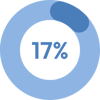 Representing 17% of the sample are deadline-driven buyers. An external compliance requirement, an upcoming audit, a regulatory certification, or a customer mandate converted a known operational problem into an urgent evaluation.
The Regulated Operator profile is a mixed persona: some are first-install buyers operating under compliance pressure, others have existing systems that cannot produce the documentation or traceability that regulations require.
| Metric | Value |
|---|---|
|
Average Pain Points |
3.5 |
|
Process Friction is Primary Pain Dimension |
76% |
|
Manual Processes |
88% |
|
Disconnected Systems |
71% |
|
No Scanning |
59% |
|
Cycle Counting Pain |
53% |
|
Paper Based Processes |
53% |
Table 12. Regulated Operator Pain Dimension Distribution
The defining signal bringing all companies in this profile together is exposure. Paper-based operations and cycle counting pain each appear in 53% of companies in this profile, and in most cases they appear together. These companies cannot produce accurate inventory counts and have no reliable documentation trail. Under compliance pressure, that combination is not an operational gap to address over time. It is an active liability with a deadline attached to it.
Top Reported Priorities
88% of companies in this profile report integration concerns (Table 13). For Regulated Operators, the seamless connection between systems is not a convenience. Compliance hinges on end-to-end traceability, and traceability hinges on accurate transaction documentation. If the system and ERP are disconnected, transactions are lost, and the result is an incomplete record that regulators and auditors will find.
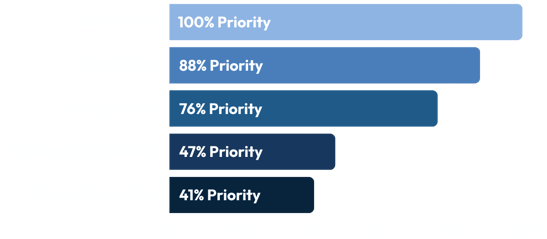
Table 13. Distribution of Sample Priority
Complexity Distribution
24% of Regulated Operators operate at an L1 complexity level (Table 14). While this might seem like simpler operations with less urgency, a lower complexity rating does not indicate lower compliance exposure. A single-site operation can face the same FDA traceability requirements as a multi-site manufacturer.
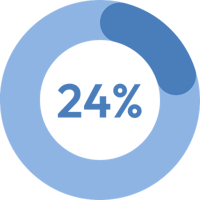 24% L1Basic |
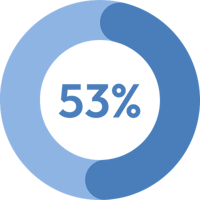 53% L2 Standard |
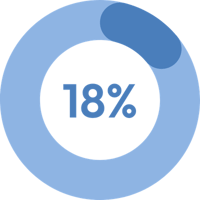 18%
L3 Moderate |
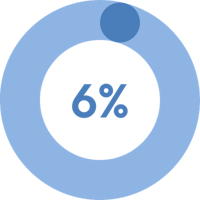 6% L4 Complex |
Table 14. Regulated Operator Warehouse Complexity Distribution
Representative Archetype
What connects every company in this profile is the combination of compliance-driven urgency, paper-based traceability gaps, and a known operational problem made actionable by an external deadline.
A typical Regulated Operator is an agricultural supplier managing lot-controlled inventory across multiple handling stages through entirely manual pen-and-paper processes, with staff carrying handwritten records to a terminal for entry into the ERP at the end of each shift. Customer-mandated labeling requirements, including SSCC18 compliance for outbound shipments, require a level of traceability the current process cannot reliably produce. An upcoming ERP go-live is the forcing function that converted a known operational gap into a hard deadline.
 The SMB Warehouse Operations Gap
The Five Levels of Warehouse Complexity
Hidden Complexity & Pain Dimensions

The Four Warehouse Operator Profiles Defined by What's Breaking
Profile 1: Analog Operator
Profile 2: Throughput CeilingProfile 3: Regulated Operator
Profile 4: Full System Breakdown
Why Warehouse Management Systems Fail
Download the PDF